
 (361) 232-5577
Explore the different types of dental crowns, including porcelain, ceramic, zirconia, and metal. Compare durability, appearance, cost, and benefits to find the best crown material.
Types of Dental Crowns: Which Material Is Best?
4 Minutes Read
 By: Dr. Paul Kennedy
Table of content
Dental crowns are made from different materials, and each type has its own advantages. The right choice depends on the tooth being restored, bite pressure, appearance, and durability needs.
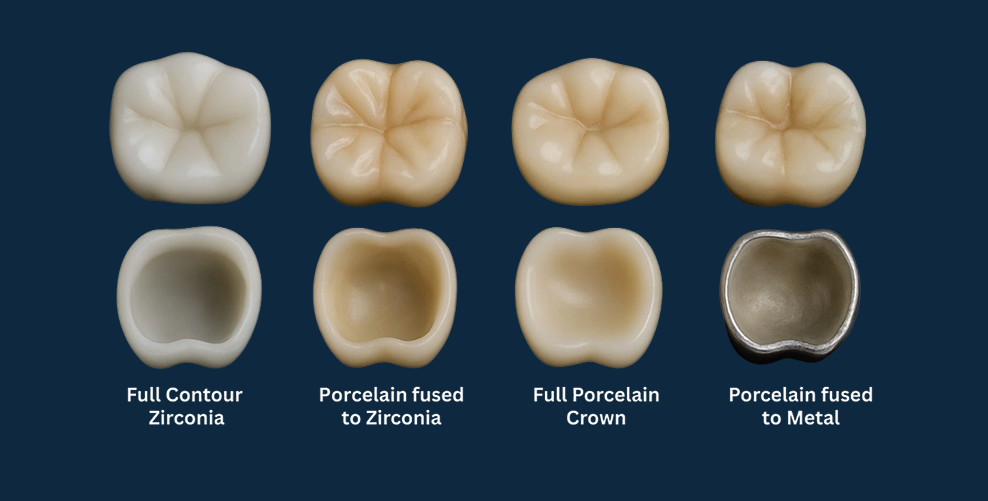
The main types of dental crowns include porcelainfusedtometal, allceramic, gold or metal, zirconia, resin, and lithium disilicate crowns.
1. Porcelain Fused to Metal (PFM) Crowns
Porcelain fused to metal crowns have a strong metal base covered with toothcolored porcelain.
They combine durability with a more natural appearance than a fully metal crown.
When to Choose a PFM Crown
PFM crowns may be suitable for:
Front or back teeth
Teeth that need additional strength
Patients who want a tooth-colored restoration
Areas where both durability and appearance matter
Pros and Cons of PFM Crowns
Pros:
Strong and durable
Toothcolored exterior
Suitable for many teeth
Cons:
Porcelain may chip over time
Metal may become visible near the gumline
2. All Ceramic or All Porcelain Crowns
All ceramic and all porcelain crowns contain no metal and are designed to closely match the appearance of natural teeth.
They are commonly used when aesthetics are an important concern.
When to Choose an All Ceramic Crown
These crowns may be a good option for:
Front teeth
Highly visible teeth
Patients who prefer a metalfree crown
Cosmetic dental restorations
Pros and Cons of Ceramic Crowns
Pros:
Natural-looking appearance
Toothcolored
Metalfree
Good option for visible teeth
Cons:
Some ceramic materials may be less resistant to heavy biting forces than zirconia or metal
Material selection is important for back teeth
3. Gold and Metal Crowns
Gold crowns are usually made from a gold-containing metal alloy rather than pure gold.
Metal crowns are known for their strength and resistance to wear and fracture.
When to Choose a Gold or Metal Crown
They may be considered for:
Molars
Back teeth
Teeth exposed to strong chewing forces
Patients who prioritize durability over appearance
Pros and Cons of Metal Crowns
Pros:
Very strong
Resistant to chipping
Suitable for heavy chewing forces
Can last for many years with proper care
Cons:
Metallic appearance
Less suitable for visible front teeth
4. Zirconia Crowns
Zirconia is a strong ceramic material commonly used for modern tooth restorations.
Zirconia crowns are tooth-colored and can provide a good balance between strength and appearance.
When to Choose a Zirconia Crown
Zirconia may be suitable for:
Molars and back teeth
Teeth exposed to strong bite forces
Patients looking for a metalfree crown
Front teeth when suitable aesthetic zirconia is used
Pros and Cons of Zirconia Crowns
Pros:
Very strong
Toothcolored
Metalfree
Suitable for front and back teeth
Cons:
Some zirconia types may appear less translucent than porcelain
The right type of zirconia must be selected for the tooth being treated
5. Resin Crowns
Resin crowns are made from tooth-colored composite resin materials.
They are commonly used as temporary crowns, although they may also be used in selected permanent restorations.
When to Choose a Resin Crown
Resin crowns may be used when:
A temporary crown is needed
A lowercost restoration is appropriate
The tooth is not exposed to heavy chewing pressure
Pros and Cons of Resin Crowns
Pros:
Toothcolored
Generally more affordable
Useful for temporary restorations
Cons:
Less durable than zirconia or metal
More likely to wear or fracture
May stain over time
6. Lithium Disilicate Crowns (e.max)
Lithium disilicate is a strong glass ceramic material often associated with e.max crowns.
It provides good strength while maintaining a natural, translucent appearance.
When to Choose a Lithium Disilicate Crown
It may be suitable for:
Front teeth
Visible teeth
Selected premolars and back teeth
Patients who want a strong, metalfree restoration
Pros and Cons of Lithium Disilicate Crowns
Pros:
Highly natural appearance
Good translucency
Stronger than many traditional ceramics
Metalfree
Cons:
May not be ideal for every patient with very heavy bite forces
Suitability depends on tooth position and remaining tooth structure
Types of Dental Crowns Comparison
| Crown Type | Appearance | Strength | Commonly Used For |
|---|---|---|---|
| PFM | Good | High | Front and back teeth |
| All Ceramic/Porcelain | Excellent | Moderate to high | Front and visible teeth |
| Gold/Metal | Metallic | Very high | Molars and back teeth |
| Zirconia | Very good | Very high | Front and back teeth |
| Resin | Good | Lower | Temporary or selected crowns |
| Lithium Disilicate | Excellent | High | Front and selected back teeth |
What Is the Best Crown for Front Teeth?
For front teeth, appearance is usually one of the most important factors.
Common options include:
Allceramic crowns
Porcelain crowns
Lithium disilicate crowns
Hightranslucency zirconia crowns
These materials can be matched to the color and shape of surrounding teeth.
What Is the Best Crown for Back Teeth and Molars?
Back teeth experience stronger chewing forces, so durability becomes more important.
Common crown types for molars include:
Zirconia crowns
Gold or metal crowns
porcelain fused to metal crowns
Certain high strength ceramic crowns
Your dentist will consider your bite, tooth condition, and remaining tooth structure before recommending a material.
How Do You Choose the Right Dental Crown Material?
The best dental crown material depends on several factors:
Location of the tooth
Amount of remaining tooth structure
Bite pressure
Tooth grinding or clenching
Cosmetic preferences
Existing dental restorations
Budget and treatment needs
A front tooth may benefit from a highly aesthetic ceramic crown, while a molar may require a stronger material such as zirconia or metal.
Which Type of Dental Crown Is Right for You?
Each crown material has different strengths. Porcelain and lithium disilicate are often chosen for visible teeth, while zirconia and metal are commonly used when greater durability is needed.
Your dentist can examine the tooth and recommend the most suitable crown based on its location, condition, bite forces, and appearance.
Need a Dental Crown?
If you have a damaged, cracked, or weakened tooth, a dental examination can help determine which crown material is right for you.
FAQ
Frequently Asked Questions
There is no single best crown for every tooth. Zirconia and metal are often chosen for strength, while porcelain and lithium disilicate are commonly selected when appearance is a priority.
Metal and zirconia crowns are known for strong durability. However, crown longevity also depends on oral hygiene, bite forces, tooth grinding, and the condition of the underlying tooth.
Zirconia and metal crowns are among the strongest dental crown materials commonly used.
Resin crowns are generally less expensive than many ceramic options, but costs vary depending on the dentist, material, laboratory, and treatment requirements.
Zirconia generally provides greater strength, while porcelain can provide excellent translucency and aesthetics. The better option depends on the location of the tooth and your treatment needs.